

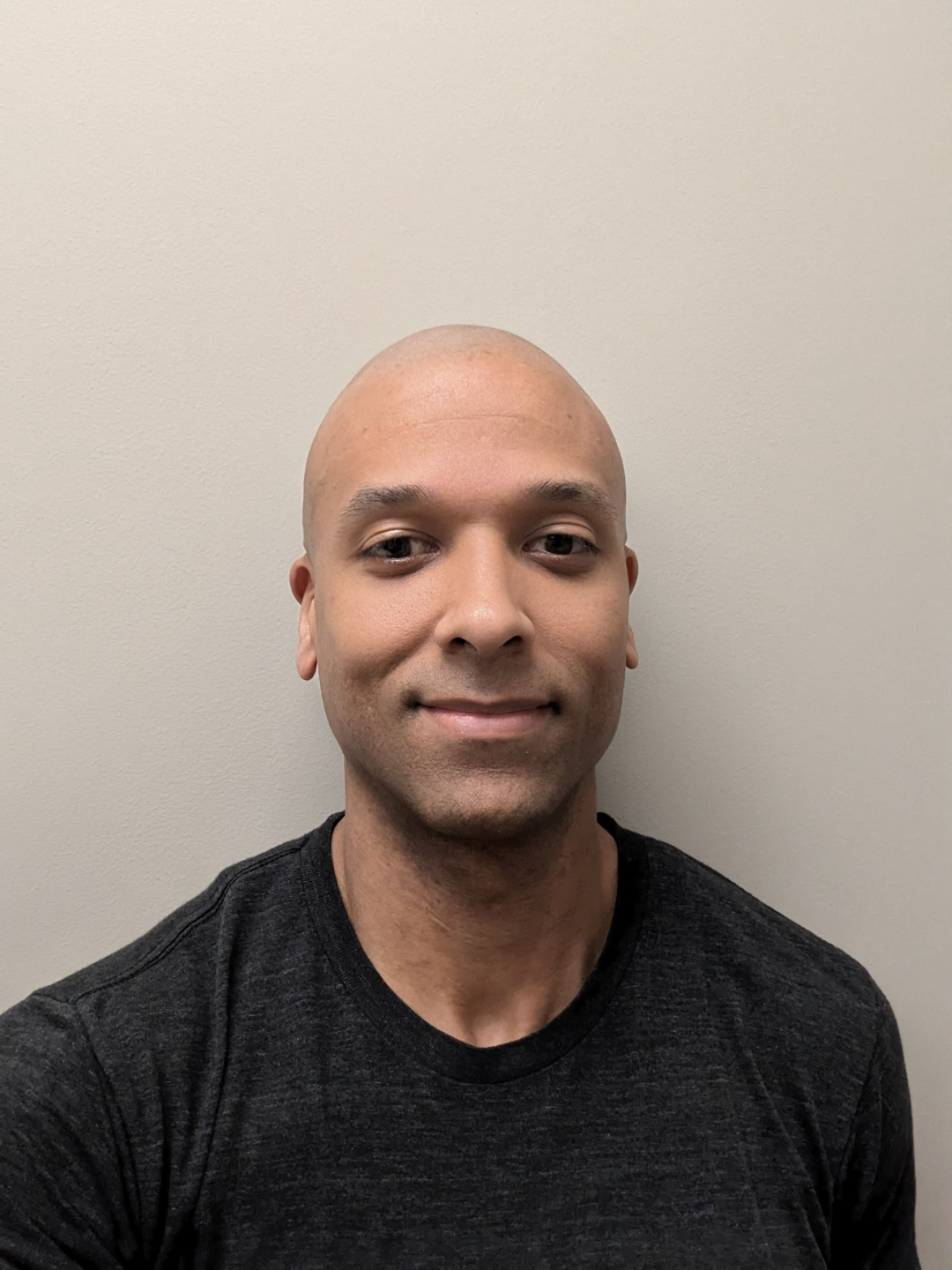
I’m Nathan — coach, lifter, and creator of Sustainably Fit.
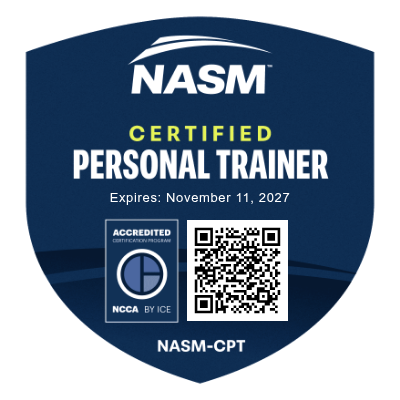
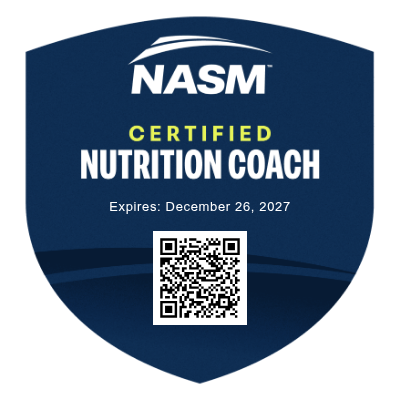
I’m a NASM Certified Personal Trainer (CPT) and NASM Certified Nutrition Coach (CNC) with 25 years of lifting experience.
My background is in Mechanical Engineering, so I’m naturally drawn to building frameworks: clear variables, repeatable processes, and systems that don’t collapse when conditions aren’t perfect.
Sustainably Fit isn’t a program I designed for other people while I do something different—it’s the approach I’ve relied on for decades—without treating fitness like a full-time job.
If you’ve got a full-time job, family priorities, and a life you actually want to participate in, you shouldn’t need extremes—or perfect weeks—to make progress. Sustainably Fit is designed for that reality.
The idea behind Sustainably Fit
This began as a quick training guide for my nephew—just the basics, explained clearly.
As I wrote it, I quickly realized there wasn't an ideal place to draw the line and stop—so I didn't.
That guide grew and eventually became Sustainably Fit—built to make long-term fitness clearer, more realistic, and more accessible.
I’ve trained uninterrupted for 25 years. Some seasons I’ve been more dialed-in than others, but I’ve never been completely off track—because I’ve always built my approach around what I can sustain. I don’t handle regression well, so I made a decision early on: don’t build habits you aren’t able to sustain. Not because you never push hard—but because when your baseline approach survives messy life, the results you earn don’t vanish the moment a perfect week becomes impossible.
That’s where Sustainably Fit comes from. In the fitness world, extremes sell. A lot of programs are designed around flawless execution—no missed sessions, no unexpected weekends, no chaos—and that’s exactly why they break. They can produce impressive “after” photos, but they rarely address the more important question: how do you live there? How do you come off the intensity without losing everything you built, especially if you’re not a fitness model or influencer who can structure your entire life around training and nutrition?
But instead, what if you reached your highest level of sustainable fitness — and stayed there?
That’s what Sustainably Fit is designed to do. It helps you build a baseline you can actually keep—then fine-tune from there without needing perfect weeks. You’ll learn how to adjust when life gets chaotic, how to progress without extremes, and how to maintain what you’ve earned so you’re not constantly rebuilding from scratch.
This isn’t my day job. And it’s not a side-hustle.
It’s a passion project—built to help people, and treated like a professional product.
Built to help. Not exploit.
Because I don’t rely on this for my livelihood, I’m not designing Sustainably Fit around urgency, upsells, or retention tricks. The goal is simple: build something genuinely useful and make it easier to access.
Passion project ≠ afterthought
This isn’t something I tinker with on weekends. I’ve invested countless hours into building Sustainably Fit. And I continue to invest time into it daily, because this is meant to be a professional, high-end product.
Value first
The membership is priced to be accessible, while the platform is built to professional standards. That means choosing tools that scale cleanly—so the system stays consistent as it grows, without frequent migrations or “we switched platforms again” chaos.
Removing barriers is part of the mission.
One of my core goals with Sustainably Fit is removing as many barriers to better health as possible—especially financial ones. Not everyone has the budget for premium coaching, stacked subscriptions, and constant upgrades—and that shouldn’t disqualify them from having a clear path forward.
That’s why the membership is priced to stay accessible, and why there aren’t tiers designed to squeeze you for the best content. If you join, you get the entire system.
The 30-day free trial is part of that same commitment. It's a full month with the entire platform — not a limited preview — so you can decide whether it fits your life before spending anything. And if you join and the timing turns out to be wrong financially, you can step away without losing anything and come back when it makes sense. Nothing gets locked or downgraded in the meantime.
“Your ability to improve your health shouldn’t depend on your ability to pay top dollar.”
Explore the system
Training
Structured programs built around your schedule, your environment, and your level — designed to progress week to week and hold up long-term.
Nutrition
Macro and calorie guidance paired with Cronometer Gold — so your nutrition supports your training without overcomplicating it.
Education
The Sustainably Fit Playbook covers everything from training fundamentals to mindset — built so you understand the system, not just follow it.